1. Home
  2. /
  3. Bangalore

Book a Completely Free and Confidential Consultation

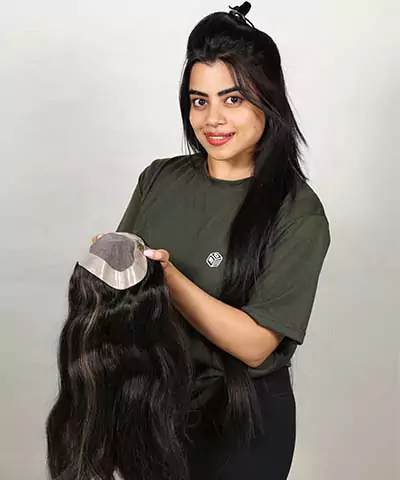
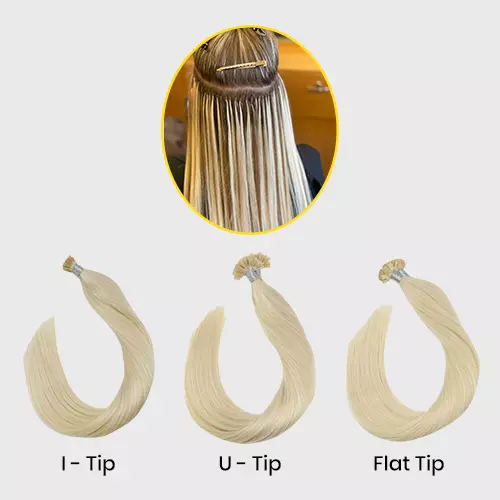
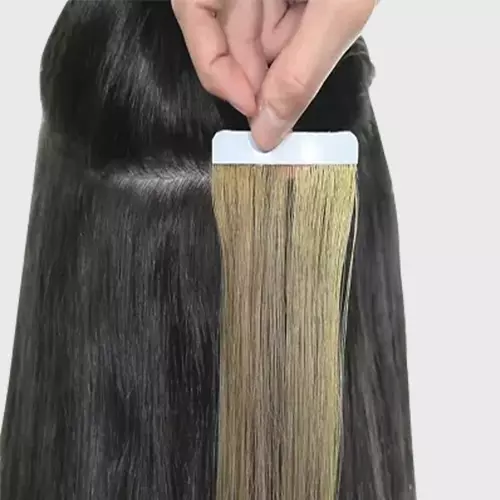
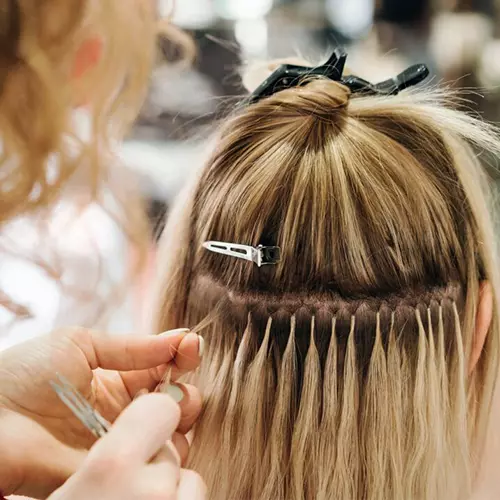
Fusion hair extensions in Hyderabad

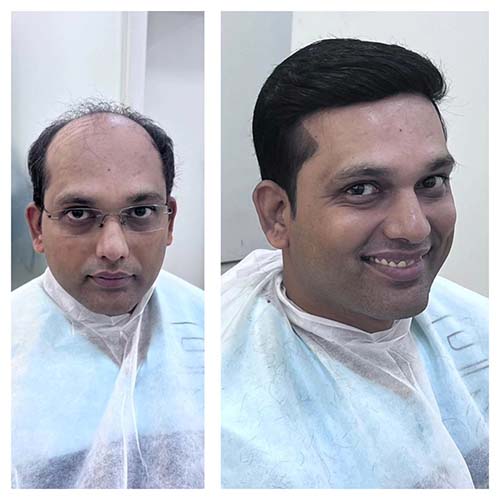
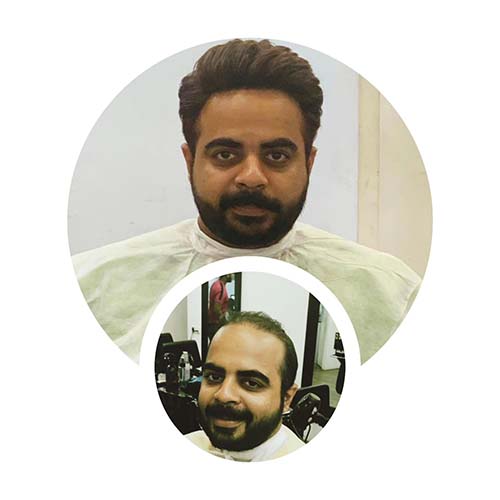
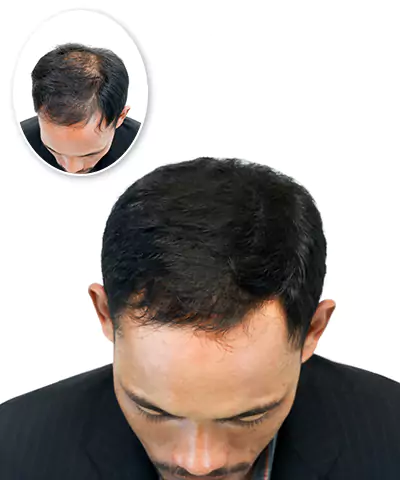
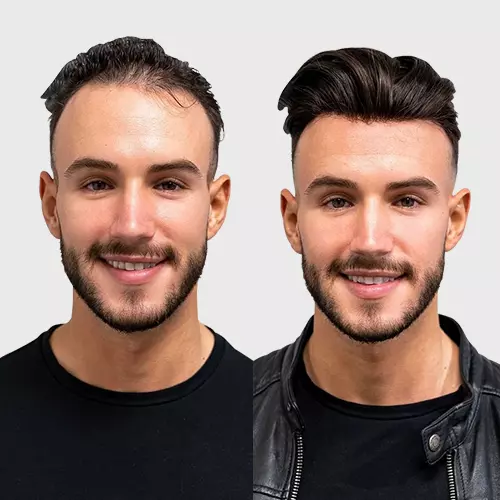
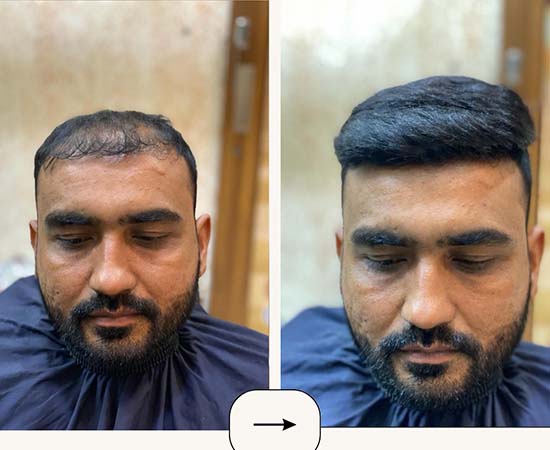
From Bald Spot to Full Confidence.

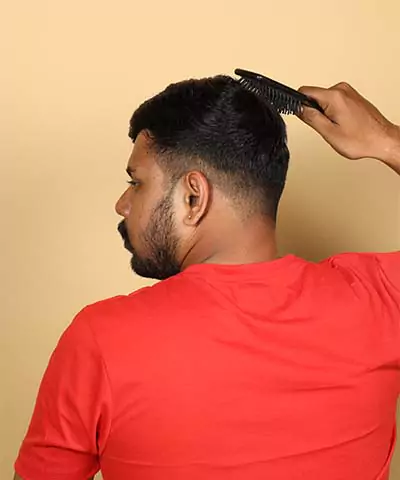
Hair transplant facilities nearby

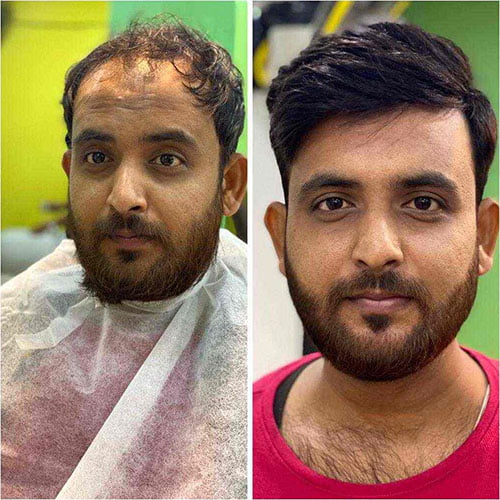
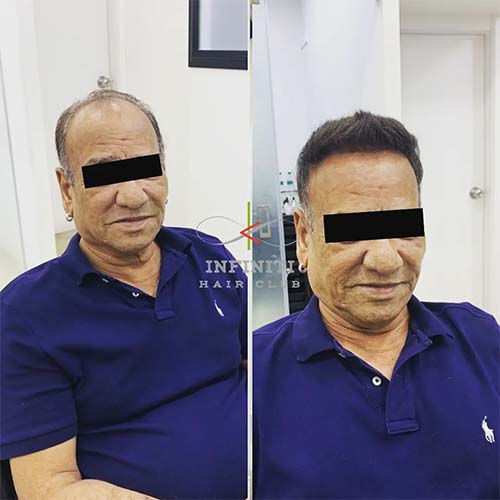
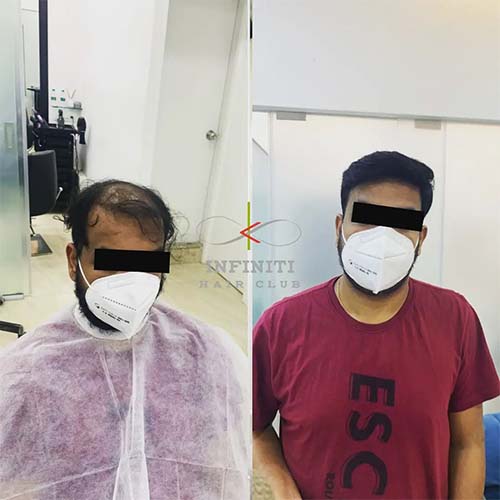
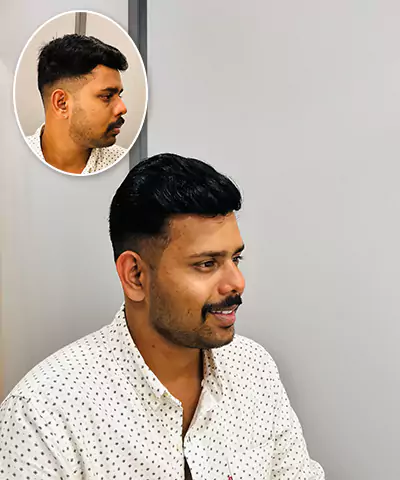
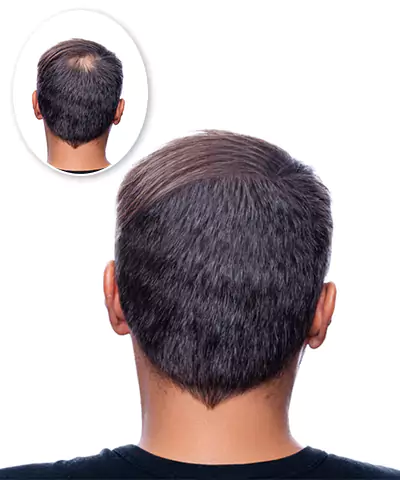
New Hair, New You—No Commitment.

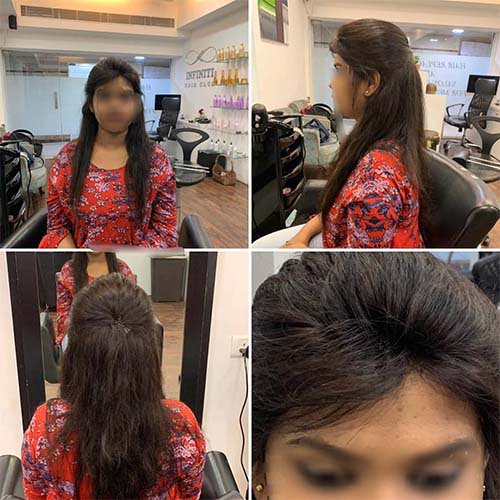
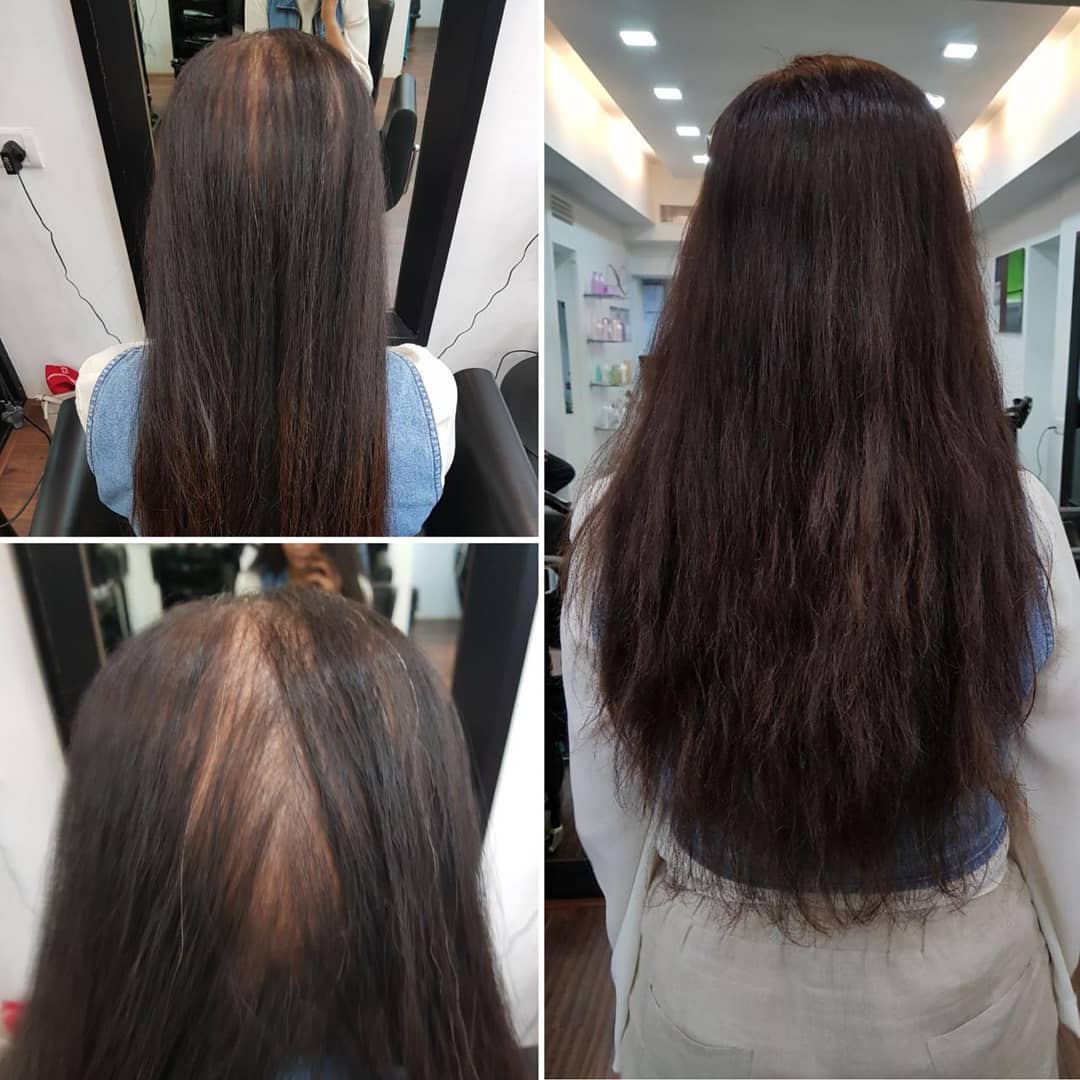
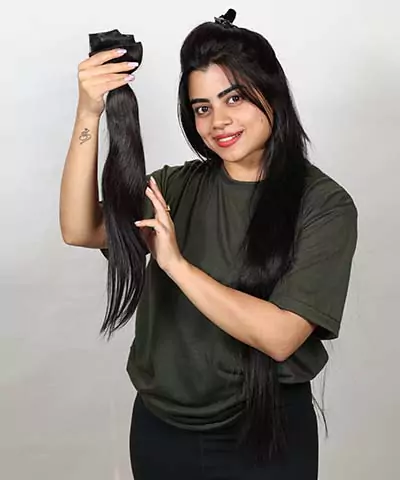
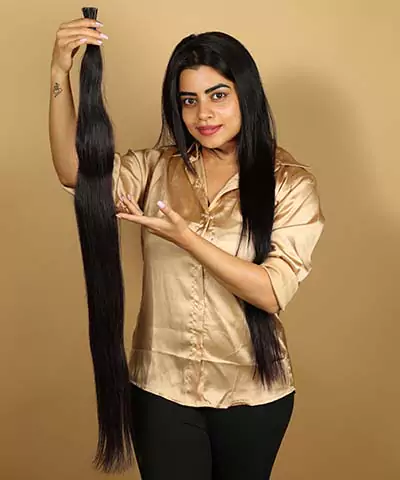
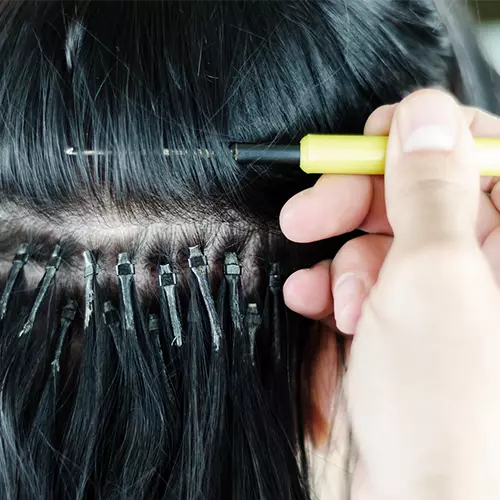
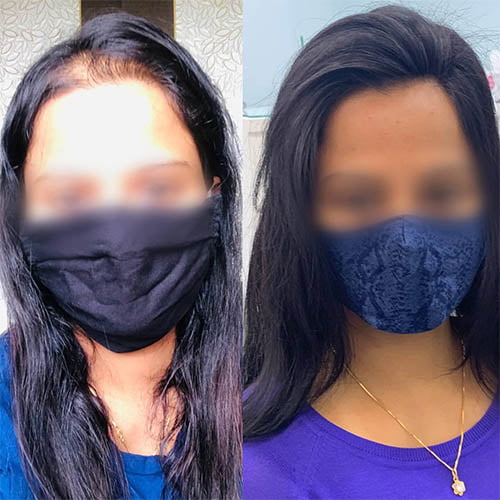
Best Hair volumizer studio in Hyderabad

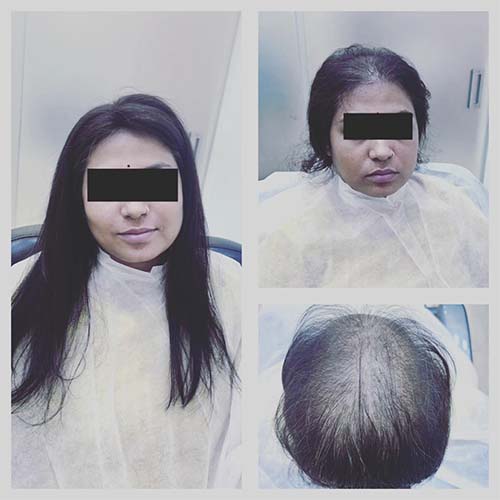
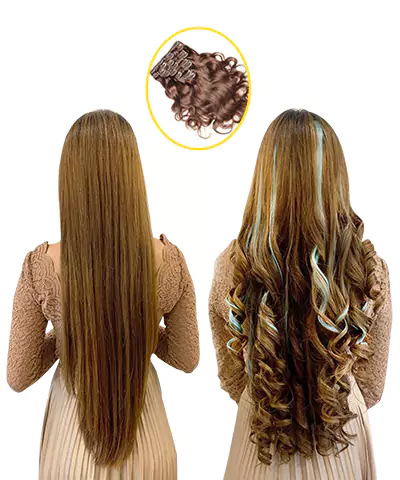
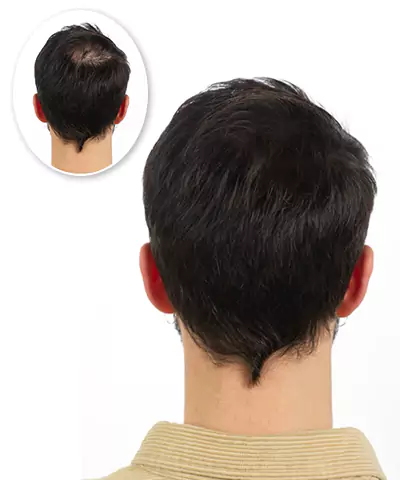
Length, Volume, and Wow—In Minutes.

Book a Completely Free and Confidential Consultation

India's Leading Hair Studio

Hyderabad & Bangalore

You can Shower Swim Exercise Bike Ride Sleep | with confidence

Book a completely free and confidential consultation

100%

100%

We offer a 100% money back guarantee

We offer a 100% money back guarantee

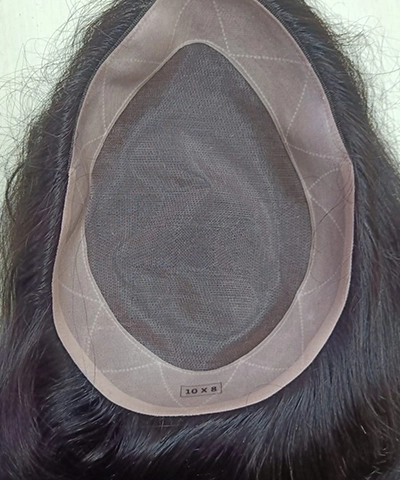
Achieve a high-quality Finest human hair Ultra-realistic hairline |

From our hair systems to our service, we offer only the highest standards

3 Locations

We have 3 salons located across the Hyderabad &  Bangalore with more to come.

Gallery

Our Services

  • All Post
  • Blog
  • Hair Bonding
  • Hair Clipping
  • Hair Patch
  • Hair Patches
  • Hair Weaving
  • Hair Wigs
Load More

End of Content.

Shopping for Hair Wigs in Hyderabad? The Ultimate 2026 Guide to Pricing, Types & Natural Looks

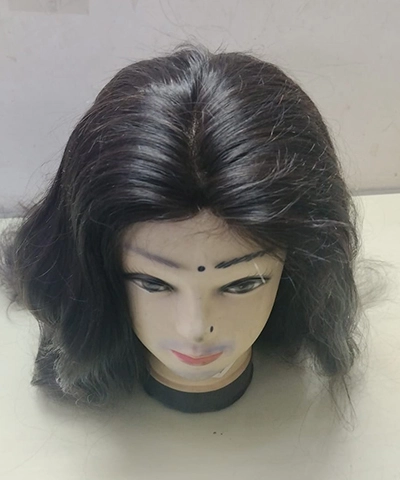
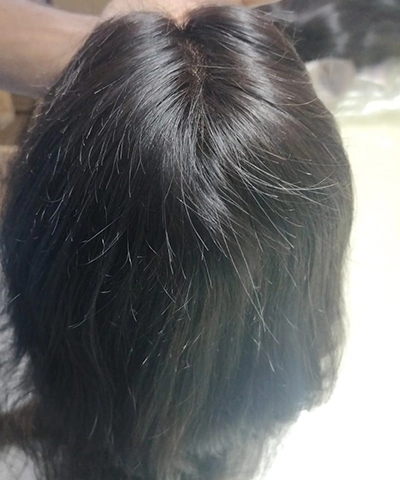
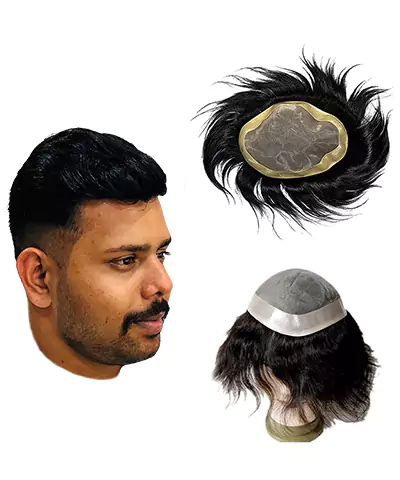
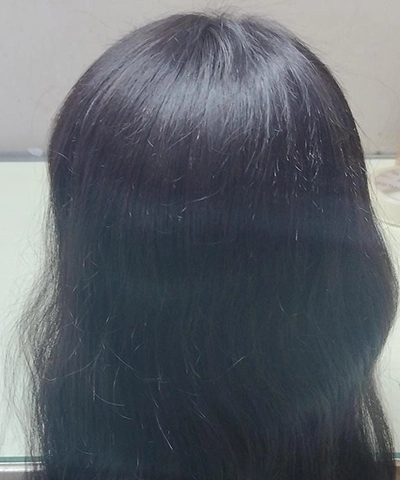
Shopping for Hair Wigs in Hyderabad? The Ultimate 2026 Guide to Pricing, Types & Natural Looks Shopping for Hair Wigs in Hyderabad? The Ultimate 2026 Guide to Pricing, Types & Natural Looks The Difference Between “Buying Hair” and “Restoring Confidence” There is a distinct moment when you decide to take control of your appearance. It usually happens in front of a mirror, perhaps before a wedding, a job interview, or just a Tuesday morning where the thinning patch feels impossible to hide. You realize that a cap or a comb-over isn’t cutting it anymore. You are ready for a solution. In 2026, the market for hair wigs in Hyderabad has exploded. From small shops in Abids to high-end clinics in Banjara Hills, the options are endless. But this abundance creates a new problem: Analysis Paralysis. You see advertisements for “Original Human Hair” at vastly different price points. You hear terms like “French Lace,” “Mono-filament,” and “Skin Base.” The fear isn’t just about spending money; it’s about spending money on something that looks like you spent money on it. No one wants to walk into a room and have people stare at their hairline. At Bglam Hair Studio, we treat hair restoration as a form of personal engineering. It’s not just about covering a bald spot; it’s about integrating a system so seamless that even your barber needs a second look. Whether you are a man seeking a rugged, youthful hairline or a woman looking for volume, this guide is your insider’s look into how to shop smart, what to pay, and how to spot quality in the Hyderabad market. 1. The Hyderabad Market Reality: Off-the-Shelf vs. Custom Studio When searching for a hair wig shop in Hyderabad, you generally encounter two types of vendors. Understanding the difference is the first step to avoiding a “fake” look. The “General Store” Experience:Many generic shops sell pre-packaged wigs. The Issue: These are “One Size Fits All.” But heads aren’t one size. These units often have excessive density (too much hair), thick hairlines, and generic shapes. The Result: The dreaded “Helmet Effect.” The wig sits on your head rather than blending with it. The “Studio” Experience (Bglam):We operate as a customization hub. The Process: We don’t just sell a box. We measure the curvature of your scalp. We analyze the texture of your remaining side hair. We look at your skin tone to match the base material. The Result: A system that respects your age and face structure. A 25-year-old needs a crisp hairline; a 45-year-old needs a mature, slightly recessed graduation. We engineer that nuance. 2. Men’s Hair Systems: Decoding the “Engine” (Base Materials) For men, the fear is detection. The “Base” of the hair system determines undetectability and durability. Think of it as the chassis of a car: it dictates performance. Here is how to choose based on your Hyderabad lifestyle: The “Invisible” Choice: Swiss & French Lace Best For: Men who want to slick their hair back or expose their hairline. The Tech: A hexagonal mesh so fine it disappears against the skin. It is the most breathable option, allowing sweat to evaporate instantly crucial for Hyderabad’s humidity. The Trade-off: It is delicate. Like a fine silk shirt, it requires gentle handling and typically needs replacement sooner (6-9 months). The “Durability” Choice: Monofilament (Mono) Best For: Men who want volume and longevity. The Tech: A tighter weave that is stronger than lace. Each hair is tied individually, allowing multi-directional parting. The Trade-off: The front hairline is slightly thicker than lace. We often recommend a “Lace Front with Mono Body” hybrid to get the best of both worlds strength on top, invisibility at the front. The “Skin” Choice: Ultra-Thin Poly Best For: Men who want a “glued-down” secure feel and ease of cleaning. The Tech: A thin polymer layer that mimics the scalp skin. It bonds very securely. The Trade-off: Less breathable. If you sweat heavily or ride a bike for long hours, this might trap heat. View Our Full Wig Product CatalogueCompare Lace, Mono, and Skin bases side-by-side. 3. The Price Guide: What is a Fair “Original Hair Wig Price”? Pricing is often opaque. Let’s break down the hair wig price brackets in Hyderabad so you know what you are paying for in 2026. Tier 1: The Budget Synthetic What you get: Heat-resistant synthetic fibers. Verdict: Okay for costume parties or temporary medical use. Not suitable for daily professional life as the fiber shine gives it away under sunlight. Tier 2: The Standard Human Hair What you get: Real human hair, usually on a thicker, durable base. Verdict: Great entry point. The hair moves naturally, but the hairline might need styling (bangs or forward combing) to hide the edge. Tier 3: The Premium “System” What you get: 100% Virgin or Remy Human Hair on an ultra-fine base (Lace/Thin Skin). Verdict: The Bglam Gold Standard. The cuticles of the hair are aligned, preventing tangling. The hair has a natural bounce. The base is invisible. This is an investment in an undetectable appearance. 4. Lifestyle Integration: Gym, Helmets, and Humidity A major hesitation for men searching for a hair wig for men Hyderabad is the lifestyle change. Does my life stop when I wear hair? The “Active Life” Protocol: The Bond: We use waterproof, medical-grade bonding agents (not just “glue”). Once cured, they withstand sweat, water, and heat. Swimming: You can swim. The water flows through the lace bases to your scalp, so the system doesn’t drag or lift. Helmets: Essential for Hyderabad traffic. A hair system is secure under a helmet. We recommend using a silk scarf or skull cap under the helmet to reduce friction on the hair fibers, prolonging the system’s life. Maintenance Expectations:Owning a hair system is like owning a luxury car it needs service. Self-Maintenance: You can learn to clean and re-tape the front hairline at home weekly. Studio Maintenance: Visit Bglam every 3-4 weeks for a full removal, scalp exfoliation, and professional re-bonding. This prevents odor and bacterial buildup. 5. Wigs for Women: Volume, Medical & Fashion While men often look for coverage, women searching for hair wigs for women often seek Volume and Texture Match. The Solutions: Hair Toppers: For thinning at the crown (Alopecia). These are not full wigs. They

Read More »

Hair Bonding vs. Hair Weaving: Which Method Suits a Busy Bangalore Lifestyle?

Hair Bonding vs. Hair Weaving: Which Method Suits a Busy Bangalore Lifestyle? Hair Bonding vs. Hair Weaving: Which Method Suits a Busy Bangalore Lifestyle? In Bangalore, grooming decisions are no longer made in isolation from lifestyle. The way you look at 9 a.m. during a client presentation in Electronic City needs to survive Silk Board traffic, helmet friction, hard water showers, and still feel presentable by the time you’re at a pub in Indiranagar at night. For men navigating this rhythm, hair restoration is less about getting more hair and more about choosing a method that doesn’t demand constant mental bandwidth. This is where confusion creeps in. Hair fixing, hair patch, wig, bonding, weaving different words, same goal. But the method you choose determines how your hair behaves during real life, not just how it looks on day one. Understanding the difference between hair bonding and hair weaving isn’t cosmetic knowledge; it’s functional decision-making. Why the Market Feels Confusing (But Doesn’t Have to Be) The biggest problem men face when researching non-surgical hair replacement is terminology overload. Many salons use terms interchangeably, which makes fundamentally different methods sound identical. According to senior stylists at Bglam Hair Studio, most men don’t actually struggle with hair loss they struggle with choosing the wrong fixing method for their lifestyle. At a high level, there are two dominant approaches: Bonding, which uses medical-grade adhesives or tapes Weaving, which mechanically attaches hair using braiding or sewing Both can look natural when executed correctly. The difference lies in how they feel, age, and fit into a busy Bangalore routine. Hair Bonding Explained: The “Second Skin” Method How does hair bonding work? Hair bonding secures a custom hair system directly onto the scalp using sweat-resistant glue or tapes. The system sits flush against the skin, creating what many users describe as a “second skin” feel. For men who value freedom of movement and visual realism, bonding is often the preferred choice. Because the base is bonded directly to the scalp, the hairline can be made extremely natural especially when combined with breathable lace or ultra-thin skin bases. From a lifestyle perspective, bonding integrates well with: Long workdays that start early and end late Helmet use during bike commutes on ORR Gym sessions and light sports Daily wear without removal The trade-off is maintenance. Bonded systems require periodic refixing to maintain hygiene and performance, especially in Bangalore’s climate where sweat and pollution accelerate wear. However, men who choose bonding usually accept this as part of a predictable routine rather than a disruption. Hair Weaving Explained: The Mechanical Attachment Method What is hair weaving and why do some men prefer it? Hair weaving attaches the hair system to existing hair using braiding, sewing, or clips. There is no direct adhesive contact with the scalp, which appeals to men who are sensitive to glue or prefer a non-adhesive approach. Weaving can feel reassuring initially because it relies on mechanical attachment rather than chemical bonding. However, it behaves very differently during daily life. Because the system is anchored to existing hair, it can feel bulkier and heavier, particularly for men with active schedules. In Bangalore conditions, weaving presents certain challenges: Sweat and oil can get trapped near the roots if not cleaned frequently Bulk can become noticeable under helmets Tight braiding may cause discomfort during long days Weaving works best for men who already have moderate hair density and are comfortable with regular cleaning schedules. It’s less forgiving if hygiene routines slip. The Clipping Alternative: For Occasional Use Only Some men explore clip-on systems as a low-commitment option. These are designed for occasional wear events, meetings, or social appearances rather than continuous use. Clipping may suit: Men who want hair only for specific occasions Those unwilling to commit to maintenance routines Short-term experimentation However, clip systems are not built for Bangalore’s everyday realities. They lack the stability required for traffic, helmets, and long hours, and they almost always compromise realism at the hairline. In professional contexts, they function more like accessories than solutions. Lifestyle Match: Choosing Based on How You Live Instead of asking “Which method is better?”, the smarter question is “Which method fits my life?” If your routine includes swimming, gym workouts, or daily helmet use, hair bonding offers better stability and a cleaner feel. If you prefer avoiding adhesives and already have enough hair to support mechanical attachment, hair weaving may feel safer initially provided hygiene is managed diligently. If your need is occasional and situational, hair clipping remains an option, but not a long-term one. At studios like Bglam, consultations often resemble problem-solving sessions rather than sales discussions, mapping fixing methods against commute length, work hours, water quality, and personal tolerance for maintenance. Cost vs. Value: What You’re Really Paying For In ₹ terms, bonding and weaving may appear comparable upfront, but their long-term value differs. Bonded systems tend to offer superior realism and comfort over time, particularly when paired with high-quality bases and professional blending. Weaving systems may reduce adhesive-related costs but can demand more frequent cleaning and adjustments. The real cost is not the system it’s disruption. A method that constantly demands attention or causes discomfort ends up costing more in time, stress, and confidence. The Art of the Blend: Why Method Alone Isn’t Enough Regardless of whether bonding or weaving is chosen, realism ultimately depends on how the system is cut and blended. This is where many men’s fears about “fake-looking hair patches” originate not from the method, but from poor integration. Experienced stylists focus on: Matching density to age and profession Adjusting texture affected by Bangalore’s hard water Creating slightly imperfect, mature hairlines Blending system hair seamlessly with existing hair At Bglam Hair Studio, blending is treated as the final engineering step, ensuring the system doesn’t sit on the head but moves with it. When done right, colleagues notice freshness, not fabrication. Wigs vs. Systems: Clearing the Last Mental Block A wig is designed for a costume or an occasion. A hair

Read More »

Stop Calling It a Wig: The Engineering Behind 2026’s “Invisible” Hair Systems for Men

Stop Calling It a Wig: The Engineering Behind 2026’s “Invisible” Hair Systems for Men Stop Calling It a Wig: The Engineering Behind 2026’s “Invisible” Hair Systems for Men In Bangalore, grooming has quietly become a measure of competence rather than vanity. The modern man whether navigating Silk Board traffic, pitching to clients in Electronic City, or pub-hopping in Indiranagar doesn’t want attention drawn to his hair. He wants continuity. This is why the word wig feels fundamentally outdated today. A wig is designed to sit on the head. A modern hair system is engineered to behave like real hair. The difference is structural, not semantic, and once this distinction is understood, the stigma around hair systems begins to dissolve. From Toupees to Bio-Mimicry For decades, men’s hair replacement failed because it focused on concealment. Old-school toupees were thick, uniform, and obviously designed to cover baldness rather than replicate biology. Modern non-surgical hair replacement works on bio-mimicry instead, studying how hair naturally grows, breathes, and ages on the scalp. Much like contact lenses quietly replaced bulky spectacles, today’s hair systems are designed to disappear into everyday life rather than announce a correction. This shift from hiding loss to replicating nature is the foundation of how contemporary studios such as Bglam Hair Studio approach system design. The Material Science That Makes Hair “Invisible” What separates a fake-looking solution from a believable one begins at the base the layer that touches the scalp. Two materials dominate premium systems today, each solving a different Bangalore-specific challenge. French lace is engineered for breathability. Its micro-woven structure allows air and sweat to pass through naturally, making it well-suited for men who deal with long commutes, helmets, and fluctuating temperatures throughout the day. Ultra-thin skin, by contrast, focuses on visual realism. Its translucent surface mirrors the natural reflectivity of scalp skin, creating hairlines that remain undetectable even under harsh office lighting or close, face-to-face conversations. In practice, experienced stylists often combine these materials to balance comfort with realism rather than forcing a single compromise. Why the Hair Finally Looks Like It’s Growing The biggest giveaway of a cheap wig has always been the “root.” Modern hair systems eliminate this problem through refined attachment techniques that replicate natural growth patterns. Bleached knots ensure that individual hair knots on lace bases disappear into the scalp instead of appearing as dark dots, while single-strand injection places hair one strand at a time at controlled angles. The result is hair that falls, parts, and moves naturally responding to gravity and motion rather than sitting stiffly on the scalp. This level of detail is what experienced practitioners at places like Bglam emphasise when addressing fears of an artificial look. Customization: Why Off-the-Shelf Always Fails No two heads curve the same way, and this is where mass-produced solutions fall apart. Custom hair systems are built using scalp molds that capture head shape, crown depth, density variations, and natural recession patterns. This allows the base to sit flush against the scalp, preventing lifting edges or floating patches. Over time, a well-fitted system stops feeling like a product and starts functioning like infrastructure reliable, invisible, and integrated into daily grooming. This focus on fit over volume is a consistent theme in premium system work, including the approach followed at Bglam Hair Studio. The “Unshaven” Hairline Principle One of the most counterintuitive truths in hair design is that perfection looks fake. Adult male hairlines are never ruler-straight or uniformly dense. Modern hair architecture embraces slight recession, irregular density, and softened transitions at the temples. This “unshaven” approach doesn’t attempt to rewind time; it aligns the hairline with age and lifestyle. For men in their 30s and 40s, this realism is often what makes colleagues think they look refreshed without suspecting any intervention. Bonding vs. Weaving: Choosing the Right Fixing Method Much of the confusion around hair fixing in Bangalore comes from not understanding fixing philosophies. Bonding methods use advanced tapes or adhesives to secure the system directly to the scalp, offering flexibility, cleanliness, and compatibility with gym sessions, helmets, and long workdays. Weaving methods attach systems to existing hair, providing structure but requiring different maintenance routines. In professional practice, including at Bglam, the decision is guided less by hair loss itself and more by how a man actually lives his day-to-day life. The Art of the Blend Even the most advanced hair system can fail without the right cut. The final haircut determines whether the system merges seamlessly with existing hair or stands apart. Texture matching, density calibration, and styling that accounts for Bangalore’s hard water all play a role. Senior stylists at Bglam Hair Studio often describe blending as the point where engineering meets artistry. When executed well, the system doesn’t look like added hair, it looks like continuity. In 2026, this is no longer a conversation about hiding hair loss. It’s about engineering normalcy. Once men understand the science behind modern hair systems, the fear of looking fake fades away. What remains is a logical, lifestyle-compatible solution, one that fits quietly and confidently into Bangalore life. Facebook Instagram Twitter Youtube Linkedin Pinterest Bglam Hair Studio’s latest Styles delivered straight to your inbox Follow Us You have been successfully Subscribed! Ops! Something went wrong, please try again. FAQs Is it sweat-proof for traffic, workouts, and daily wear? Yes. Modern systems use sweat-resistant adhesives and breathable bases designed for active, urban lifestyles. Will people notice under bright office lights or close conversations? Not when ultra-thin skin hairlines, bleached knots, and expert blending are used. These systems are built to withstand close-range scrutiny. Can I wear a helmet every day? Absolutely. Proper bonding techniques ensure the system remains secure and comfortable under daily helmet use. Is this really different from a wig? Yes. A wig is designed for occasions or costumes. A hair system is engineered for daily life—work, workouts, travel, and social settings. How much does a custom hair patch in Bangalore cost? Costs vary based on materials, customization, and maintenance, typically priced in ₹.

Read More »

The “Silk Board Test”: Can a Hair Patch Actually Survive Bangalore Traffic, Helmets, and Humidity?

The “Silk Board Test”: Can a Hair Patch Actually Survive Bangalore Traffic, Helmets, and Humidity? The “Silk Board Test”: Can a Hair Patch Actually Survive Bangalore Traffic, Helmets, and Humidity? In Bangalore, grooming isn’t about looking perfect in controlled environments. It’s about surviving real ones. A city where a 7-kilometre commute can stretch into an hour, where helmets are non-negotiable, where dust settles faster than confidence, and where presentations in Electronic City follow rides through Silk Board chaos. For the modern men living in Bangalore, the fear around hair patches isn’t abstract. It’s deeply practical. Will it slip while stuck on ORR? Will sweat weaken the adhesive at the gym? Will helmet hair expose something that’s supposed to stay invisible? These are not vanity-driven doubts. They’re lifestyle questions. And they’re exactly why many men pause even after discovering non-surgical hair replacement and custom hair patch solutions in Bangalore. This article exists to answer one core question honestly: can a modern hair patch survive Bangalore life, or does it fall apart the moment reality sets in? Heat, Dust, Traffic, Helmets: The Bangalore Stress Test Short answer: A well-designed hair system can survive Bangalore conditions—but only if it’s built for them. Bangalore presents a unique combination of challenges. The climate isn’t coastal-humid, but it’s warm enough to trigger daily sweating. Dust from construction zones coats everything. Hard water affects hair texture. And helmets create constant friction and pressure on the scalp. Many “hair fixing in Bangalore” horror stories begin because systems were chosen without considering this ecosystem. Generic bases, outdated adhesives, and poor fitting techniques simply don’t hold up under Silk Board conditions. According to senior stylists at Bglam Hair Studio, the biggest mistake men make is treating a hair patch as a product instead of a system engineered for movement, sweat, and time. The Chemistry of Bonding: Why Modern Adhesives Don’t Fail Easily Short answer: Medical-grade bonding adhesives are designed to work with sweat, not against it. One of the most persistent fears is adhesive failure images of patches lifting mid-commute or loosening under heat. That fear comes from older bonding methods that relied on basic glues unsuited for active lifestyles. Modern non-surgical hair replacement uses medical-grade adhesives originally developed for prosthetics and long-term skin contact. These adhesives are engineered to remain stable under body heat, moisture, and movement. What matters most isn’t just the adhesive itself, but how it’s used. Surface preparation, correct curing time, and matching adhesive type to skin chemistry determine performance. When bonding is done correctly, sweat does not cause failure it evaporates around the system. This is also where hair bonding vs. hair weaving becomes critical. Bonding uses adhesives or tapes that allow flexibility and airflow. Weaving, which involves sewing hair into existing strands, creates tension and is poorly suited for men with advanced thinning or active routines. The Helmet Protocol: How Bikers Actually Make It Work Short answer: Helmets don’t ruin hair systems—poor friction management does. Helmet use is unavoidable in Bangalore. But the idea that helmets and hair patches are incompatible is outdated. The key lies in friction control and pressure distribution. Experienced wearers follow a simple protocol. Lightweight skull caps or silk liners reduce friction between helmet padding and the hair system. These liners don’t add heat; they reduce drag. The result is less stress on the adhesive and better shape retention after helmet removal. Equally important is base flexibility. A rigid base resists movement and creates pressure points. A breathable lace base flexes with the scalp, allowing the system to settle back into place naturally. Stylists at Bglam often explain it like this: a good system behaves like skin, not like plastic. It adapts instead of resisting. Gym, Sweat, and the Myth of “No Exercise Allowed” Short answer: Sweat is not the enemy. Trapped sweat is. One of the biggest misconceptions around hair patches is that they limit physical activity. In reality, limitations arise only when airflow is compromised. This is where lace bases matter. Lace bases are micro-perforated structures that allow heat and moisture to escape. In Bangalore summers, this airflow is the difference between comfort and irritation. Gym workouts, running, and even swimming are possible with modern systems, provided maintenance schedules are followed. Sweat does not dissolve medical-grade adhesives. What causes issues is salt buildup and residue when systems aren’t cleaned regularly. For men who live active lives early-morning workouts in HSR Layout or weekend sports this distinction is crucial. A breathable system supports movement instead of punishing it. Hard Water Reality: Bangalore’s Silent Hair Enemy Short answer: Bangalore’s water damages hair fibers faster than sweat ever will. Hard water is one of the most underestimated factors in hair system longevity. High mineral content causes hair natural or artificial to become dry, brittle, and dull over time. Low-quality systems degrade quickly under these conditions. Premium systems are designed to handle it, but they still require protection. Filtered washing, appropriate conditioners, and periodic professional treatments maintain softness and sheen. This is one reason systems that “look great initially” fail months later. The issue isn’t the concept it’s environmental neglect. Bonding vs. Weaving: Clearing the Fixing Confusion Short answer: Bonding is flexible and modern. Weaving is restrictive and situational. Many men researching custom hair patch options in Bangalore encounter confusing terminology. Hair weaving and hair bonding are often used interchangeably, but they are fundamentally different. Bonding secures the system directly to the scalp using adhesives or tapes. It allows for movement, comfort, and adaptability ideal for active professionals. Weaving involves stitching hair into existing strands. It requires sufficient natural hair and creates constant tension. For men with significant hair loss or sensitive scalps, weaving can become uncomfortable quickly. This distinction matters because many “fixing failures” come from using weaving where bonding is more appropriate. “Isn’t This Just a Wig?” Why Systems Are Not Costumes Short answer: A wig is worn on the head. A system integrates with it. The word “wig” carries stigma because it conjures images of obvious, removable headpieces.

Read More »

Why Bangalore Men Are Quietly Swapping Transplants for Non-Surgical “Hair Tech” in 2026

Why Bangalore Men Are Quietly Swapping Transplants for Non-Surgical “Hair Tech” in 2026 Why Bangalore Men Are Quietly Swapping Transplants for Non-Surgical “Hair Tech” in 2026 In Bangalore, appearance has become part of professional currency. Whether it’s pitching to investors in Indiranagar, running stand-ups in Whitefield, or navigating back-to-back meetings after a Silk Board commute, looking sharp isn’t vanity. The city’s startup and tech culture rewards clarity, confidence, and polish. For years, hair transplants were seen as the only “serious” solution to hair loss. Surgery equaled commitment. Everything else was dismissed as temporary or cosmetic. But in 2026, that thinking is quietly changing. Not loudly, not through billboards but through conversations between men who value efficiency, logic, and outcomes. Non-surgical hair systems are no longer being chosen as a backup plan. They’re being chosen as an upgrade. Think less “cover-up,” more “technology shift.” Like moving from an HDD to an SSD faster, cleaner, and better suited to modern use. The Outdated Assumption: “Surgery Is the Only Real Fix” For a long time, hair loss conversations followed a predictable path. You noticed thinning. You researched hair fixing in Bangalore. Eventually, everything pointed back to surgery. Transplants were positioned as permanent, definitive, and superior. But permanence doesn’t always equal practicality. Senior stylists at Bglam Hair Studio point out that many men arriving today aren’t anti-surgery. They’re anti-uncertainty. They’re questioning whether a solution that demands months of downtime, unpredictable density, and irreversible commitment makes sense in a city that runs on speed and adaptability. That question alone has opened the door to a different category of solutions, non-surgical hair replacement systems designed for real life, not recovery rooms. The Math of Hair Loss: Why Donor Hair Is the Hidden Limitation Here’s the part most clinics don’t emphasise enough. A hair transplant is fundamentally limited by donor supply. You can only move what you already have. For men with advanced hair loss or diffuse thinning, this becomes a mathematical constraint, not a medical one. Even the best transplant: Redistributes existing hair Cannot increase overall density Often leaves compromises in crown or mid-scalp areas This is why many men undergo multiple procedures and still feel underwhelmed by fullness especially under harsh office lighting or during video calls. Non-surgical systems bypass this limitation entirely. They are not dependent on donor availability. Density is designed, not borrowed. For men who want visible, uniform coverage without compromise, that difference is decisive. Instant Gratification vs. the “Ugly Duckling” Year Short answer: Non-surgical systems deliver results immediately. Surgery does not. The surgical route involves a long arc: shedding, patchy regrowth, uneven density, and months of waiting before results stabilize. For nearly a year, many men live in a visual limbo neither bald nor full. Contrast that with non-surgical hair replacement. The transformation happens in hours, not months. You walk into a studio with thinning hair and walk out with a finished look cut, styled, and wearable the same day. For Bangalore professionals who can’t afford a year of visual uncertainty while pitching, leading, or networking, this immediacy matters more than theoretical permanence. Zero Downtime: Built for Bangalore Schedules Bangalore doesn’t pause. Projects don’t wait. Traffic doesn’t forgive. Taking two weeks off to heal is not a small task in a city where calendars are packed weeks in advance. This is where non-surgical systems align perfectly with lifestyle realities. There’s no medical recovery, no visible scabbing phase, no “working from home because I can’t be seen” period. You can: Step into meetings the same week Commute via ORR or Electronic City without concern Maintain your routine without explanation According to the team at Bglam Hair Studio, this lack of downtime is one of the most common reasons tech professionals choose non-surgical solutions over transplants even when cost is comparable. The Density Reality Check: Why Systems Win on Visual Impact Here’s a comparison that often surprises first-timers. A successful transplant typically achieves 30–40 follicular units per square centimetre. A custom non-surgical hair system can visually deliver nearly three times that density. This isn’t about exaggeration. It’s about design. Systems allow for controlled density, strategic layering, and natural graduation especially at the hairline. The result isn’t just “more hair,” but better framing of the face. In environments like boardrooms or pubs in Indiranagar, where lighting and proximity expose everything, density is what separates “noticeable improvement” from “quiet confidence.” Bonding vs. Weaving: Clearing the Confusion One reason many men hesitate is confusion around fixing methods. The terminology hair bonding, hair weaving, fixing gets thrown around loosely. Here’s the distinction that matters. Bonding uses medical-grade adhesives or tapes to secure a breathable base directly to the scalp. It offers flexibility, comfort, and a natural feel especially important in Bangalore’s warm climate and hard-water conditions. Weaving involves sewing hair into existing strands. It requires sufficient natural hair and can create tension over time. For men with advanced thinning, it’s often impractical. At Bglam Hair Studio, bonding is preferred for its adaptability and comfort. It allows the system to move naturally with the scalp rather than feeling anchored or rigid. “Isn’t That Just a Wig?” The Most Persistent Myth This is where education changes perception. A wig is designed for costumes, events, or temporary use. It’s uniform, removable, and visually obvious up close. A modern hair system is engineered for daily life. Breathable lace bases, invisible knots, sweat-proof adhesives, and undetectable hairlines transform how it looks and feels. It sits like a second skin, not a cap. Senior stylists at Bglam often describe the difference using a simple analogy: a wig is like wearing sunglasses indoors. A system is like contact lenses designed to disappear. The Art of the Blend: Where Most Systems Fail (and Bglam Doesn’t) Even the best hair system can look artificial if it isn’t cut and blended correctly. This is where most “fake look” fears originate. At Bglam Hair Studio, systems are never treated as finished products straight out of the box. The real work begins after attachment. Stylists cut into the

Read More »

The Truth About Hair Patches in Hyderabad: Cost, Comfort, and the Helmet Test

The Truth About Hair Patches in Hyderabad: Cost, Comfort, and the Helmet Test The Truth About Hair Patches in Hyderabad: Cost, Comfort, and the Helmet Test Hair patches are not a new concept in Hyderabad. What is new is how confusing the market has become. Walk through Abids and you’ll see hair patches sold the way mobile covers are sold: quick choices, quick prices, quick promises. Step into more premium areas like Banjara Hills or Gachibowli and suddenly the same hair patch is discussed in terms of comfort, lifestyle, and long-term wear. For most men, the confusion isn’t about whether a hair patch works.It’s about whether it will work for them. Will it feel hot during traffic?Will it move under a helmet?Will people notice at work?Will it become one more thing to constantly worry about? These are not dramatic fears. They are practical concerns and they’re exactly the kind of questions men bring into Bglam Hair Studio, often quietly, sometimes skeptically, but always honestly. This guide doesn’t try to oversell hair patches. It simply explains what usually goes wrong, what tends to work in Hyderabad conditions, and how a studio like Bglam approaches these problems differently. What a Hair Patch Actually Is (Beyond the Label) One reason men feel disappointed after getting a hair patch is because it’s often treated as a single product. In reality, a hair patch is a combination of decisions: The type of hair used The base that sits on your scalp The way it’s attached How it’s cut and blended after attachment If even one of these is chosen without considering your daily routine, discomfort or dissatisfaction is almost guaranteed. At Bglam Hair Studio, this is where conversations usually begin not with prices, but with questions about commute, work hours, sweating, and styling habits. Because a patch that looks good for 20 minutes in a chair can behave very differently after 10 hours outside. Hair Type: Why “Looks Fine Now” Isn’t Enough Synthetic Hair Synthetic hair is often where many men start, mostly because of cost. It has its place, but it comes with limitations: It holds a fixed style It reflects light differently It traps heat It doesn’t age well in dry, dusty weather In Hyderabad conditions, these issues show up quickly especially for men who are outdoors, commute daily, or wear helmets. Human Hair Human hair behaves the way your own hair once did: It moves naturally It responds better to sweat It can be cut, reshaped, and softened over time At Bglam, men who switch from synthetic to human hair often describe the difference not as “looking better,” but as feeling less conscious throughout the day. And that feeling matters more than mirrors. Base Selection: Where Most Discomfort Comes From Many men assume discomfort means “hair patches are uncomfortable.” In reality, discomfort usually comes from the wrong base choice. Lace Base Lace bases allow airflow. That one factor changes everything in Hyderabad: Less heat buildup Less itching Better comfort during traffic and long days For men who sweat easily or spend time outdoors, lace bases tend to feel far more forgiving. Skin (Polyurethane) Base Skin bases are easier to clean and maintain, but: They restrict airflow They can feel warmer over long hours At Bglam Hair Studio, skin bases are usually suggested only when a client’s routine is largely indoor or controlled. There’s no “best” base, only a base that suits your day-to-day life. The Helmet Test: The Question No One Asks Aloud For many men in Hyderabad, this is the real deal-breaker. A hair patch doesn’t need to fall off to fail. Even slight shifting, pressure discomfort, or excessive sweating under a helmet can make someone regret the decision. What usually causes helmet-related problems: Rigid bases Incorrect adhesive choice Poor surface preparation At Bglam, helmet use is discussed upfront. Base flexibility, adhesive strength, and placement are adjusted so the patch stays secure without feeling suffocating. The goal isn’t to make the patch “stronger” it’s to make it behave naturally under pressure. Sweating, Heat, and Long Days Hyderabad heat is not humid like coastal cities, but it is relentless. Sweat doesn’t evaporate easily when airflow is blocked. Men who struggle with itching or discomfort usually aren’t dealing with “bad patches”  they’re dealing with trapped sweat and infrequent servicing. This is why Bglam Hair Studio is very clear about maintenance from day one. Regular cleaning, reattachment, and scalp care aren’t extras; they’re what make daily wear possible without irritation. Why Hair Patches Sometimes Look Obvious Most people don’t “spot” a hair patch because it exists. They notice it because of: Excessive density Straight, sharp hairlines No cutting after attachment At Bglam, hair is always cut and styled after the patch is fixed. Density is adjusted to match age and face structure, and hairlines are softened gradually. The intention isn’t transformation, it’s continuity. Pricing: Why Cheap Often Becomes Expensive Lower-priced patches are tempting, especially for first-time users. But they often come with: Short lifespan Frequent replacements Compromised comfort Men who come to Bglam Hair Studio after trying cheaper options usually say the same thing: “I didn’t expect to keep fixing or replacing it so often.” Bglam focuses on longer-lasting systems not because they’re premium, but because they reduce the need for constant adjustments and replacements. Over time, that consistency matters more than the initial number. Maintenance: Setting Real Expectations Hair patches are not “fix it and forget it.” And pretending otherwise only leads to disappointment. At Bglam, clients are told clearly: Monthly servicing is part of the process Scalp hygiene matters Hair needs conditioning like natural hair This honesty is intentional. When expectations are realistic, confidence lasts longer. Who Hair Patches Usually Work Best For Hair patches tend to suit men who: Have predictable routines Want discretion Prefer planning over experimentation Value comfort as much as appearance When chosen thoughtfully, a hair patch stops feeling like a solution and starts feeling like normal life again. Taking the Next Step At Bglam Hair Studio,

Read More »

We provide a wide variety of painless Non – Surgical Hair Replacement Services. They are Hair Replacement, Hair Extensions, Hair Bonding, Clip in Hair System, Hair Weaving. Furthermore we provide hair fixing, hair patches, servicing of hair wigs, hair systems, hair replacement products and deal in all types of wigs that are made of natural hair.

© 2025 BGLAM Hair Studio. All Rights Reserved.| Designed, Developed and Digital Marketing by DigitalZap | Privacy Policy
Book a Completely Confidential Consultation

Book a completely free and confidential consultation

Book a completely free and confidential consultation